
What happens if I don’t apply for planning permission?
Installing a dropped kerb may seem like a minor alteration to your property, but in planning terms, it is anything but. For many homeowners and developers, particularly those with properties on classified roads, within conservation areas, or where permitted development rights have been removed, a dropped kerb often requires planning permission from the local authority.
Ignoring this requirement and proceeding without consent may seem like a shortcut—one that saves time or paperwork—but in reality, it can lead to serious and expensive consequences. Below, we outline what happens if you install a dropped kerb without planning permission, and why it’s essential to follow the proper process from the beginning.
1. You May Be Issued with a Planning Enforcement Notice
The first and most common consequence is a planning enforcement notice from your local authority. Local planning enforcement teams are within their rights to investigate any unauthorised development and installing a dropped kerb without permission is considered a breach of planning control.
If the council becomes aware of the unapproved works—either through routine inspection, a report from a neighbour, or from Highways officers—they may issue you with a formal notice requiring you to either apply retrospectively for planning permission or to remove the dropped kerb entirely.
Once a notice is served, you are legally required to comply within a set timescale. Non-compliance with planning enforcement can lead to various legal actions, including prosecution and fines, and potentially even direct action by the planning authority. An enforcement notice, once served, becomes a land charge, meaning it affects subsequent owners as well.
When is Planning Permission Required?
Several situations require you to obtain planning permission before installing a dropped kerb:
- Classified Roads: If your property is on a classified road (A, B, or C roads), you will need planning permission. These roads are considered critical routes, and any modifications to the kerb can affect traffic flow and safety.
- Listed Buildings: If your home is a listed building or lies within a conservation area, planning permission is mandatory, as altering external elements could affect the historical character.
- Type of property & drive: Your property is a flat or a commercial property.
- Type of Access: If your access serves multiple dwellings.
- Type of work involved: When engineering activity is involved.
- TPO tree: when access is likely to affect a tree, which is protected by a Tree Preservation Order.
- Land outside your property needed: Where the proposed vehicular access and hard surface isn’t limited to the curtilage of your dwelling or “highway” – i.e. includes grass verges and amenity land.
- Impermeable paving: If your driveway (including a replacement) will incorporate more than 5m² of impermeable paving such as asphalt.
2. You Could Be Fined
Failure to obtain planning permission may also result in financial penalties. These vary between local authorities and depend on the scale and severity of the unauthorised works, but even a modest fine can be a significant, avoidable expense.
In some cases, fines can be issued in addition to the requirement to remove the unauthorised kerb or reinstate the footway. This effectively means you pay twice—once to correct the issue, and once again as a penalty for the breach.
Additionally, if enforcement reaches the magistrates’ court or becomes a criminal offence (e.g. damage to public highway), fines can be more severe, potentially amounting to thousands of pounds, especially where the council must undertake remedial work themselves.
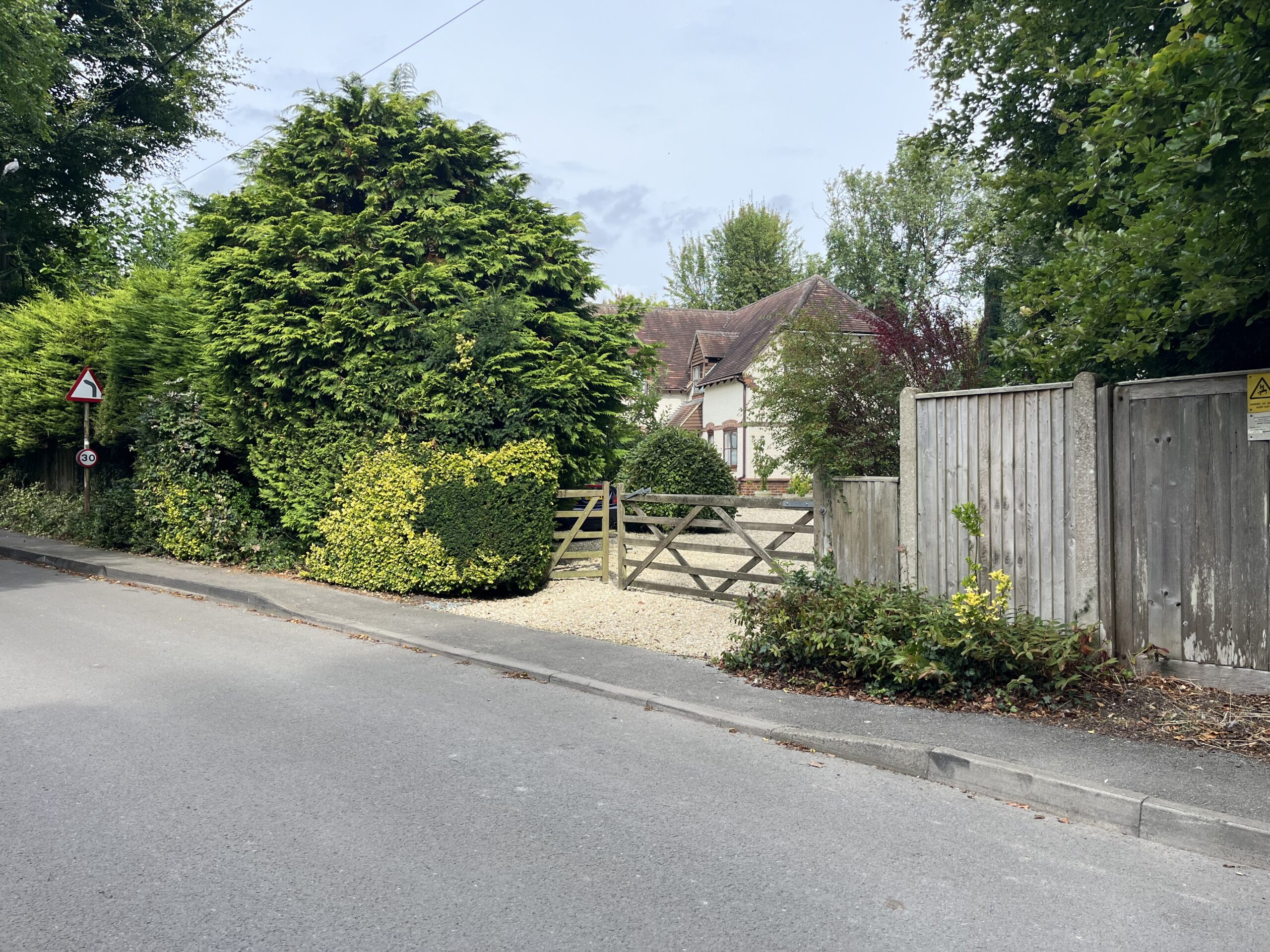
3. You Might Be Required to Reinstate the Pavement at Your Own Cost
In cases where the dropped kerb has been installed on a public footway without consent, the council has the legal authority to demand reinstatement. This means you, as the property owner, may be ordered to restore the pavement to its previous condition, often using council-approved contractors and materials.
The cost of this reinstatement is typically borne by the property owner and can be substantial, particularly if the kerb has affected utility services, drainage systems, or public infrastructure such as street furniture or trees. In some cases, councils may undertake the work themselves and then invoice the homeowner, which can include administrative surcharges.
Even if reinstatement is physically feasible, this process is disruptive and may delay any future applications you make for lawful permission—councils tend to scrutinise repeat or retrospective submissions more closely.
4. Legal Action Could Follow
If you continue to use an unlawful dropped kerb—such as by driving over the pavement without permission—the council may take legal action. This can range from civil proceedings to criminal prosecution, particularly if the action endangers public safety, such as obstructing pedestrian routes or damaging the highway.
Persistent non-compliance with enforcement notices can lead to prosecution under the Town and Country Planning Act 1990, where a successful conviction may result in additional fines or a criminal record. Legal action is usually a last resort, but it is entirely within the council’s power to pursue this route if earlier measures are ignored.
5. Insurance and Liability Risks
There is also the matter of liability and insurance. Should a third party—such as a pedestrian, cyclist or council worker—sustain injury or damage due to an unauthorised dropped kerb, you may find yourself personally liable. Home insurance policies often exclude coverage for unapproved works, meaning that even seemingly minor alterations could leave you legally exposed and financially unprotected.
Moreover, unauthorised access across the footway may constitute trespass or highway obstruction, both of which can be grounds for civil claims or formal objections from neighbours or local stakeholders.
6. Problems When Selling Your Property
From a long-term perspective, proceeding without planning permission can have significant implications for future property transactions. When selling, your solicitor is required to disclose any unapproved works as part of the conveyancing process.
Buyers may be deterred by the uncertainty, particularly if the kerb was installed unlawfully or enforcement action is pending. In some cases, sales may fall through entirely unless the issue is resolved—usually by applying retrospectively (at additional cost and with no guarantee of success), or by agreeing to carry out reinstatement before completion.
In short, a dropped kerb installed without permission can undermine your property’s legal standing, reduce market appeal, and delay or jeopardise the sale.
7. Retrospective Planning Applications Are Not Guaranteed
Some homeowners assume they can “sort it out later” with a retrospective planning application, but this is not a reliable fallback. While it is true that retrospective applications are permitted under planning law, councils are under no obligation to grant consent.
If the dropped kerb is found to be unsuitable—due to safety concerns, highway visibility issues, or impact on public infrastructure—the application may be refused. In that case, you will still be required to remove the kerb, despite the time and money invested.
Therefore, relying on retrospective permission is a risk, not a strategy. It is always better to seek consent in advance and ensure the design complies with both planning and highways requirements.
In Summary: It’s Not Worth the Risk
The consequences of installing a dropped kerb without planning permission range from administrative inconvenience to serious legal and financial liability. Even if enforcement is not immediate, the risks accumulate over time and may affect your property, your finances, and your peace of mind.
At Dropped Kerb Planning, we specialise in navigating the planning process correctly from the outset. By seeking professional advice and submitting a compliant application in advance, you can avoid enforcement issues, gain peace of mind, and proceed with confidence that your access is fully lawful.
If you’re unsure whether planning permission is required for your property—or want to discuss your options—contact us for a free initial assessment. It’s always better to be proactive than to deal with the consequences of unauthorised development later.


