
A Comprehensive Guide to Dropped Kerbs: What They Are and Why You Need One
Dropped kerbs might seem like a simple adjustment to a property, but they have a significant impact on access and convenience. Whether you’re a homeowner looking to make parking easier or a business aiming to improve accessibility, a dropped kerb is a vital consideration. This guide will explore what dropped kerbs are, why they are important, and how they benefit property owners.
What is a Dropped Kerb?
- Definition: A lowered section of the kerb that allows vehicles to cross from the road to a driveway or parking area.
- Where they are commonly found: Residential properties, commercial properties, and public spaces.
- Different types of dropped kerbs: Residential, commercial, and public access.
Why You Need a Dropped Kerb:
- Legal access: You cannot drive over a pavement without a dropped kerb. Doing so may lead to fines or penalties from the local council.
- Improved convenience: Dropped kerbs make accessing your driveway or parking area much easier, especially on busy roads.
- Increased property value: Properties with off-road parking and dropped kerbs are more attractive to buyers.
- Enhancing accessibility: They provide easier access for vehicles, pedestrians, wheelchair users, and those with prams.
Do you need Planning Permission for a Dropped Kerb?
You will need planning permission for a dropped kerb if:
- Your property is on a Classified Road.
- Your property is in a Conservation Area or is a Listed Building.
- Your property is a flat or a commercial property.
- Your access serves multiple dwellings.
- Your driveway (including a replacement) will incorporate more than 5m² of impermeable paving such as asphalt.
- Your dropped kerb needs to go over a grass verge or public amenity land.
- Your dropped kerb will affect a tree protected by a Tree Preservation Order.
- Engineering activity is involved.
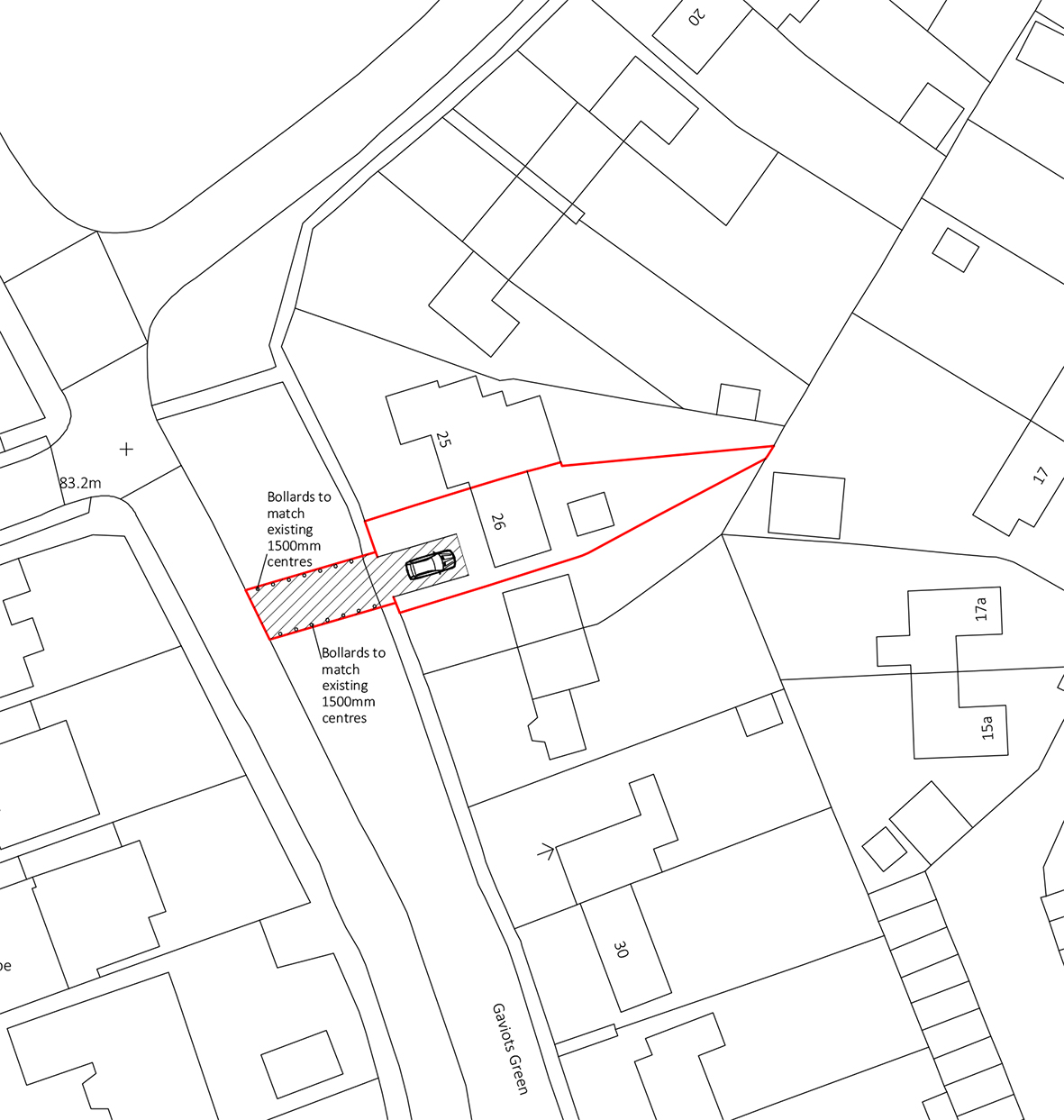
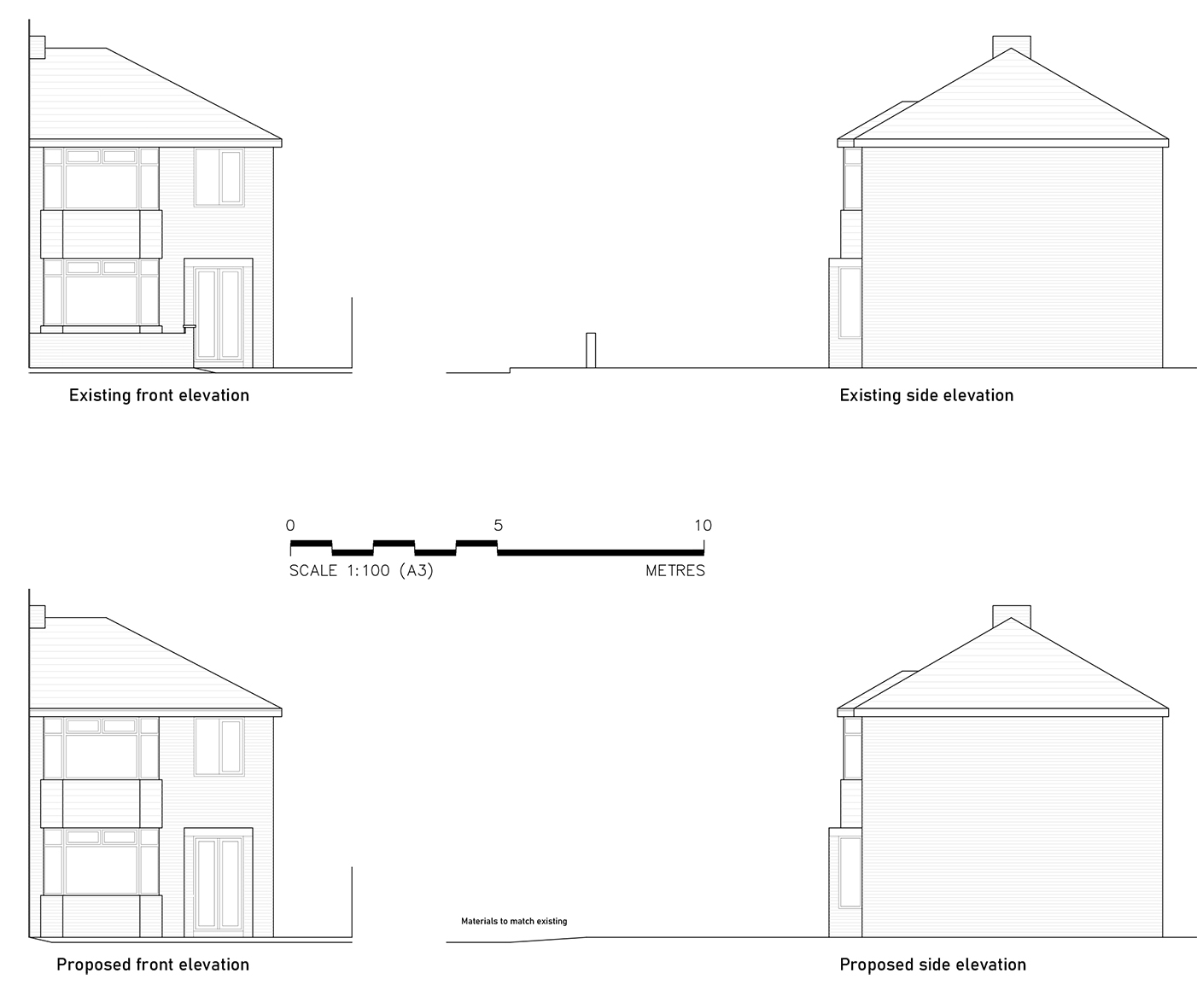
Local authority guidelines: Each council has specific regulations. Some Councils require planning permission to be in place regardless of the above rules. All Councils will require accurate, to scale drawings.
The Importance of Professional Help:
Why should you hire DKP help instead of doing it yourself?
1. Expert Knowledge of Planning Regulations
DKP have an in-depth understanding of the planning laws and regulations that govern dropped kerbs. Regulations surrounding planning permission for dropped kerbs can be complex, particularly when the property is located in a conservation area, near listed buildings, or on classified roads (A, B, C roads).
We are well-versed in these regulations and can guide you through the process, ensuring (when feasible) that your application meets all necessary requirements. This reduces the risk of rejection based on compliance issues. Our knowledge of the planning system means we are familiar with the constraints councils consider, such as road safety, drainage and impact on the surrounding area.
2. Supporting documentation
DKP have access to a range of software (such as AutoCAD) that allows us to produce high-quality, to scale and accurate drawings that your Council needs to be able to approve the application. We are also very familiar with the Planning Portal, the production of planning forms and other documents that are often needed, such as Design and Access Statements, CIL Forms and biodiversity checklists.
3. Comprehensive Design Solutions
DKP is not just about meeting planning requirements – we’re all about designing functional and aesthetically pleasing solutions. We consider both practical needs, such as vehicle access, and environmental concerns, such as sustainable drainage and visual harmony with the surrounding landscape.
When designing a dropped kerb and driveway, our Chartered professionals will take into account:
- Site-specific conditions: Slope, existing vegetation, parking and drainage needs.
- Visual impact: How the dropped kerb will integrate with your property and the street’s overall aesthetic.
- Environmental sustainability: Use of permeable materials to reduce water run-off, incorporating Sustainable Drainage Systems (SuDS), and ensuring minimal environmental disruption.
This holistic approach ensures the design is not just functional, but also enhances the property’s overall aesthetic and environmental footprint.
Related resources:
4. Maximising Chances of Planning Approval
Dropped kerb applications can be rejected for several reasons, often linked to design, safety concerns, or non-compliance with local regulations. Our Highway Experts, with their extensive knowledge of planning policies and design principles, significantly improve the chances of securing planning approval by ensuring all aspects of the project align with local authority expectations.
Key considerations include:
- Safety compliance: Ensuring the kerb is placed in a location that offers adequate visibility for both drivers and pedestrians, avoiding proximity to road junctions or crossings that could pose a safety risk.
- Property measurements: Minimum depth and width are required, as well as maximum gradient.
- Compliance with visibility splay requirements: Visibility splays ensure that the driver can see pedestrians or oncoming traffic. Failure to meet visibility splay regulations is a common reason for refusals, something our Landscape Architects, can avoid.
- Environmental and heritage considerations: They ensure the design is sensitive to any heritage or environmental designations, such as conservation areas or tree protection orders.
Their expertise ensures the planning application is as robust as possible, reducing delays and costs associated with refusals and appeals.
5. Tailored Solutions for Challenging Sites
Not all properties are straightforward when it comes to installing a dropped kerb. Some sites might have significant constraints, such as steep slopes, limited frontage, or proximity to utility lines and street furniture. Our experts have the skills and creativity to work around these challenges, designing solutions that comply with planning regulations while still meeting your needs.
For example, if a site has limited space, our designers might propose innovative designs that maximise access without compromising safety or compliance. They can also advise on retaining walls, appropriate drainage systems, and the relocation of street furniture or utilities, all of which can be necessary for gaining planning approval in difficult circumstances.
6. Accurate and Professional Documentation
One of the key benefits of working with DKP is our ability to prepare accurate, professional documentation that accompanies your planning application. This documentation includes:
- Detailed design plans that include elevations, sections, and material specifications which comply with Council requirements.
- Supporting statements that explain how the design complies with local planning policies and addresses potential concerns.
Submitting well-prepared, professional documentation can significantly expedite the planning process and improve the chances of a favourable outcome.
7. Liaison with Local Authorities
Navigating the planning process can be daunting, especially when it involves liaising with local authorities and addressing their concerns. We act as intermediaries, managing communication with the council, responding to queries, and making amendments as required. Our experience in working with planning officers ensures that the application process is handled smoothly, from submission through to final approval.
At DKP we also have a deep understanding of how to address common objections, such as concerns over drainage or pedestrian safety, which can be a significant advantage when dealing with local authorities.


